
Nestled on the northern shore of Mexico’s largest lake, the town of Chapala is much more than a postcard-perfect destination. It’s a place where history flows with the water and where the warmth of its people is the invisible thread that has woven together centuries of identity, resilience, and transformation. This article takes you on a journey through the living memory of Chapala to discover who its people have been through time—and how today, they form a proud and welcoming community.
Roots Born of Water: The First Inhabitants of Chapala
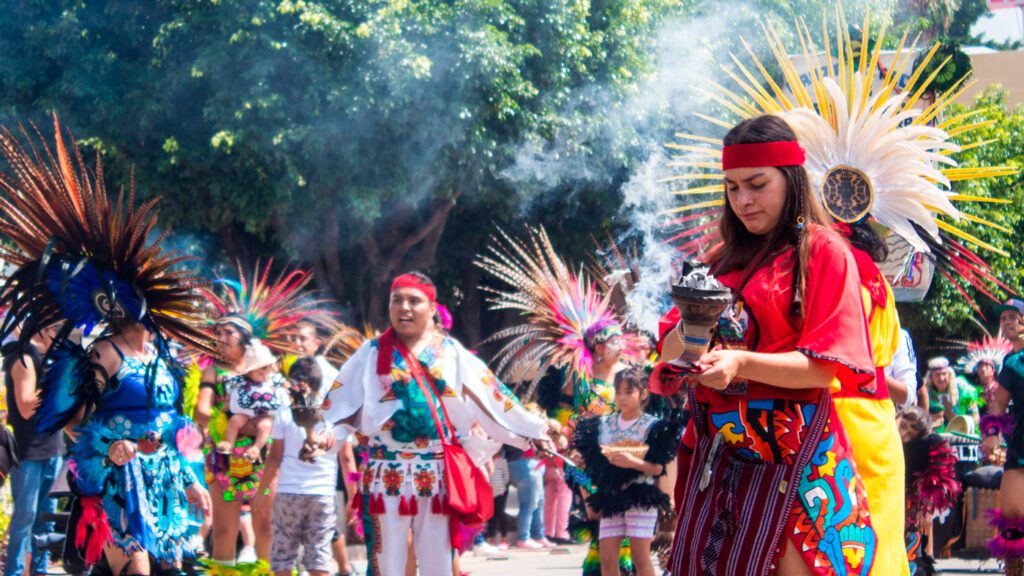
Long before the first Europeans arrived, the area we now know as Chapala was already home. Around the 12th century, the Coca people settled in this region, migrating from northwestern Mexico. They found an ideal environment: a generous lake, fertile lands, and surrounding hills that offered shelter and resources. Here, they founded the Chapalac kingdom, a Nahuatl-speaking territory rich in spiritual life.
To the Coca people, the lake was sacred. They offered drops of blood in small vessels called búcaros and performed purification rituals in its waters. They even worshipped a lake deity, the goddess Machis, who according to legend, can still be seen in the form of a mermaid at dawn.
With the arrival of Franciscan friars in 1538, a process of evangelization began that didn’t entirely erase traditions, but often transformed them. Chapala evolved from Chapalac into a Christian village, yet the local identity remained alive in its customs, place names, and trades like fishing and agriculture.
A Town That Bloomed Over Time
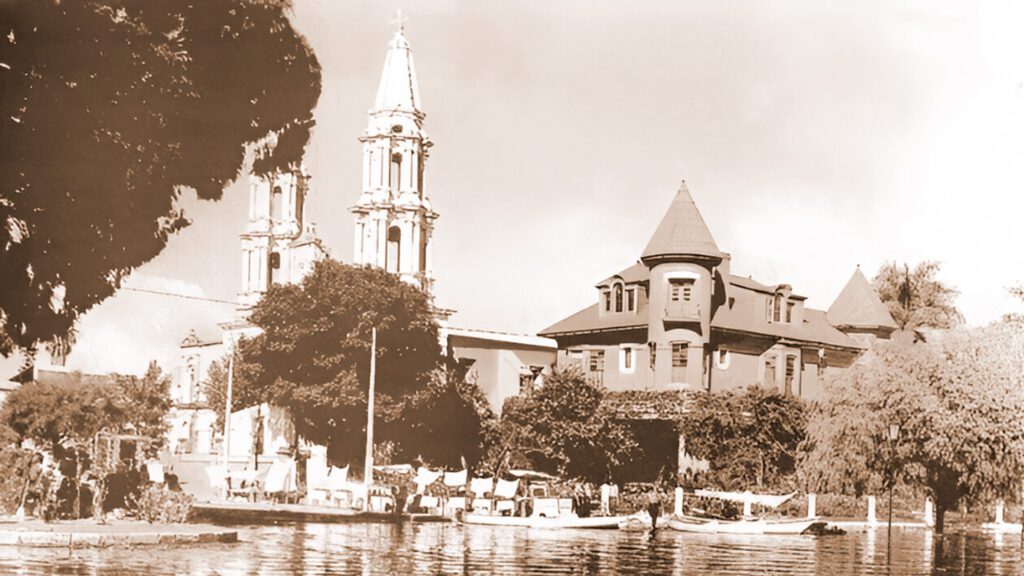
During the colonial period, Chapala became a growing mestizo community. Although it was part of the encomienda system, the population remained largely indigenous. The Spanish language gradually took hold, along with religious festivities, but the lakeside and communal spirit of the town never faded. By the 19th century, Chapala was recognized as a municipality and began to emerge as a tourist destination for the upper classes of Guadalajara.
In the late 19th and early 20th centuries, the town attracted high-profile visitors, including President Porfirio Díaz. Hotels, boardwalks, and summer residences were built. However, what truly made Chapala special were not its buildings—but the people who lived in them: local families who hosted travelers, artisans who worked with wood and palm, and fishermen who continued casting their nets at dawn.
A Community That Embraces Diversity
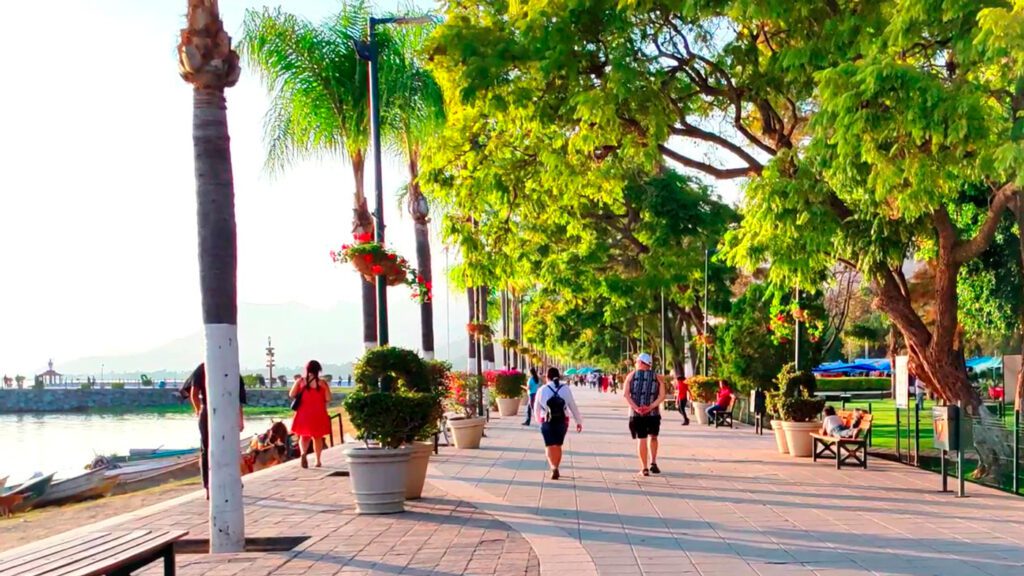
Today, Chapala is still home to families with deep local roots. These are the descendants of the town’s original farmers and fishermen—people who have kept traditions, patron saint festivals, regional flavors, and a strong sense of community alive.
To this population, new neighbors have joined in: Mexicans from other regions seeking a quieter life, and also foreign retirees who have found in Chapala the perfect place to begin a new chapter. While many of them reside in nearby towns like Ajijic, it’s in central Chapala where everyone comes together—in the market, the plaza, or local festivities. There, between greetings in Spanish and English, a diverse and respectful community is built day by day.
Why Do So Many Foreigners (Especially Retirees) Choose to Live in Chapala?

Beyond its natural beauty, peaceful vibe, and ideal location just one hour from Guadalajara, Chapala offers foreign retirees something rare: an affordable, active lifestyle with a true sense of community.
Its year-round mild climate—often described as “eternal spring”—draws those looking to escape harsh winters. The cost of living, far lower than in U.S. or Canadian cities, allows retirees to enjoy more for less. And perhaps most importantly, Chapala already has a well-established expat community with bilingual services, cultural activities, and a support network that makes integration easy.
Many newcomers find not only peace, but also purpose: they volunteer, attend classes, join festivals, and contribute to local development. This coexistence has turned Chapala into a shining example of harmonious multicultural living, where locals and foreigners share traditions, stories, and the same lake view.
A Heart That Beats to the Rhythm of the Lake
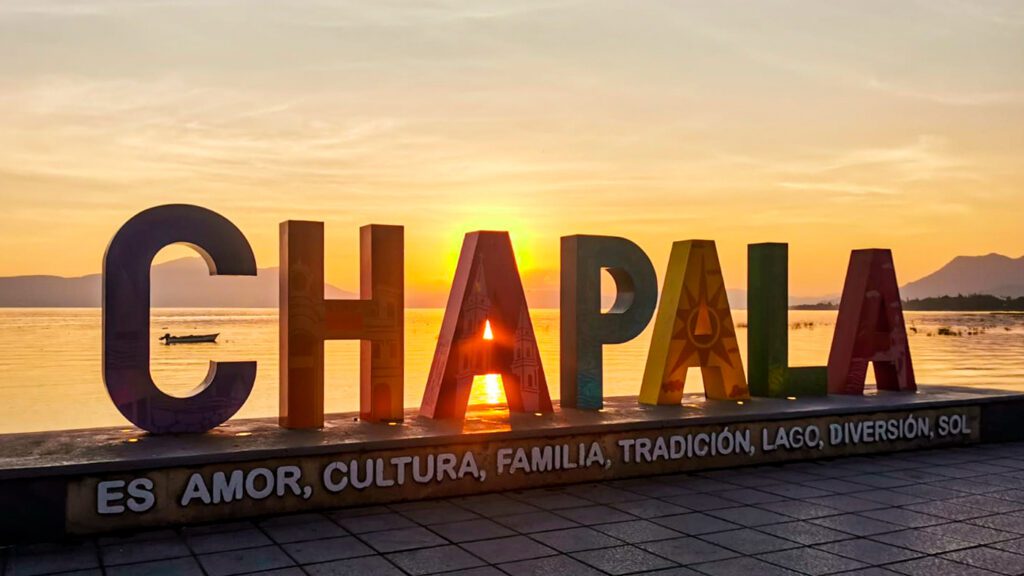
Chapala is not just a place to visit. It’s a place to belong. Its story has been written by Indigenous peoples, settlers, migrants, and newcomers who decided to stay. It’s a town where the past is honored on every street and the present is lived with open arms.
Those who live in Chapala know that its true treasure lies not only in the lake or the climate—but in its people. And that’s why so many choose to make this town their home.
Frequently Asked Questions (FAQ)
Who were the original inhabitants of Chapala?
The first recorded inhabitants of the Chapala area were the Coca people, a Nahuatl-speaking Indigenous group that arrived around the 12th century. They established pre-Hispanic kingdoms around the lake—such as the lordship of Chapallan—and developed a culture deeply connected to Lake Chapala. They practiced fishing, agriculture, and rituals honoring the water. Today, their direct descendants mainly live in the community of Mezcala, although the population of Chapala city itself became mestizo over time.
Is the Coca Indigenous language still spoken in Chapala?
No. Unfortunately, the Coca language disappeared several centuries ago (likely by the end of the colonial era). Today, the vast majority of Chapala’s residents speak Spanish as their native language. However, the Coca legacy survives in other ways: for instance, place names like Chapala and Ajijic come from Indigenous words. Local traditions and cultural identity still honor that pre-Hispanic heritage, even if the original language is no longer spoken.
What is daily life like between locals and foreigners in Chapala?
In general, the interaction is peaceful, warm, and enriching. Chapala locals are known for their hospitality and have welcomed foreigners kindly. Many expats arrive with respect and a genuine desire to integrate. There’s a beautiful cultural exchange: locals invite foreigners to traditional celebrations (such as posadas, Carnival, Day of the Dead), and foreigners often participate and help organize community events. Joint art projects, language classes, and charitable work have also emerged where locals and expats collaborate side by side. Of course, there are challenges: language differences (Spanish vs. English) can sometimes cause communication issues, and rising property prices due to housing demand have raised concerns about gentrification. Still, both communities have shown great empathy. Many Mexicans learn basic English to connect with their neighbors, and many foreigners study Spanish and adopt local customs. In everyday life, it’s common to see genuine friendships between people of different nationalities, united by a shared love for Chapala.
What local traditions stand out in Chapala’s multicultural community?
There are many vibrant traditions. Each town celebrates its patron saint festivals (for example, San Francisco in Chapala in late September, and San Andrés in Ajijic in November), with religious processions, mariachi music, folkloric dancing, and fireworks. Ajijic’s Carnival is famous for the Sayacas—masked characters who fill the streets with joy. During Day of the Dead, families build colorful altars and host artistic events that also captivate foreign residents. The Regata de Globos in Ajijic (in September) is a beautiful tradition where giant paper balloons are launched into the sky by teams of locals and expats alike. There are also cultural fairs like the Feria Maestros del Arte and food festivals. In Chapala, deeply rooted Mexican traditions—preserved by local families—coexist with new influences: international music concerts, multicultural art exhibits, and even foreign holiday gatherings in more private circles. This blend makes Chapala incredibly rich in culture, with something to celebrate, learn, or taste almost every month, always in a joyful, community-centered environment.
What languages are spoken in Chapala?
The main language is Spanish, spoken by nearly the entire local population. Regional phrases and colloquial expressions give Chapala’s Spanish its own flavor. Due to the large foreign community, English has become the second most common language: many services (restaurants, real estate agencies, clinics) are bilingual, and English conversations are common in Ajijic. Despite initial language barriers, most foreigners learn at least some Spanish for daily life, and many locals understand some English. So communication often happens as a mix of both languages. Regarding Indigenous languages, there are no native speakers left of the Coca language (which disappeared centuries ago), nor of other native tongues in Chapala. However, Indigenous influence survives in place names and some cultural expressions—though today, Spanish is the language that unites everyone (flavored with a friendly bilingual twist in more touristy areas).


