

Cities of the Gods
A brief history of the first settlers who came to the lands of the American continent that created the first great cities, “Cities of the Gods”
Cities of the Gods Read More »
A brief history of the first settlers who came to the lands of the American continent that created the first great cities, “Cities of the Gods”
Cities of the Gods Read More »

By Ilse Hoffmann(Published in El Ojo del Lago, November 2000) “I want to put a stop to the rumor that has been circulating around town. The one that says the old train station my family donated to the town of Chapala will be converted into a disco, bar, restaurant, casino, etc. It was donated for use
Chapala Railway Station to Become Museum Read More »

By Catherine A. MacKenzie Early Wednesday morning transforms an ordinary street in Ajijic into a party among strangers. Inside, the tight air tries to shed itself of the fused flavours of flowers and fried fat. My sweaty palms grasp my purse with the concealed pesos to my chest, in an attempt to protect it from

By Robert M. Burnet Mezcala Island, a rocky and chayote-covered outcrop near the north shore of Lake Chapala, today bears scant evidence of the long and bloody battle waged there during the Mexican War of Independence from Spain. The little-known battle has considerable historic importance, however, because of the major change it produced in the
The Battle Of Mezcala Island Read More »

By Neill James (Ed. Note: The following article was first published in 1946 in the magazine Modern Mexico. Ms. James, known as the “Godmother of Ajijic,” set many of her charming stories and books here at Lakeside.) Ajijic is an old, old village. Our solidly built Franciscan Church bears the date when it was finished:
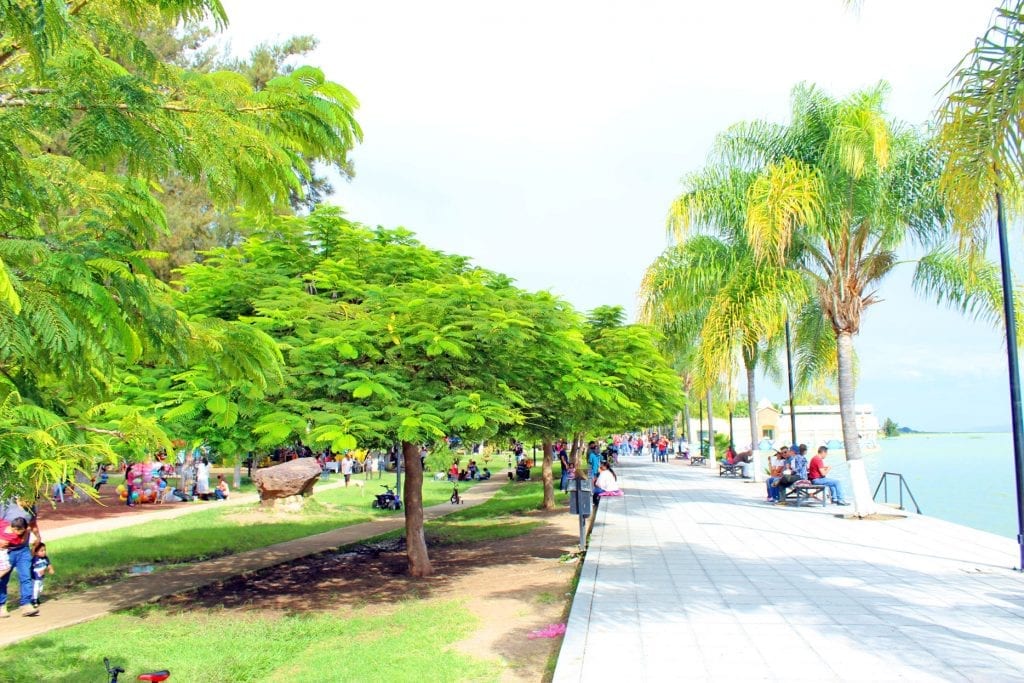
The term ecosystem was coined in 1930 to denote the physical and biological components of an environment considered in relation to each other as a unit; the whole complex of physical factors forming what we call the environment. The degree of species diversity or biological diversity – popularly referred to as biodiversity – of an
Flora and Fauna in Lake Chapala Read More »
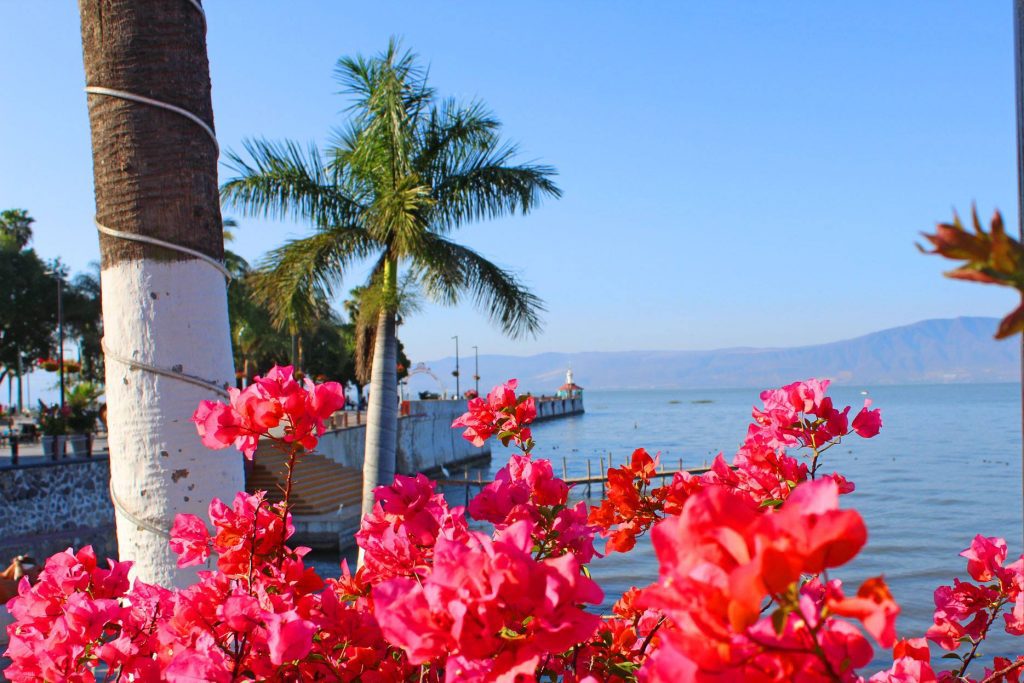
Mexico as a whole has been graced with an unusually temperate climate year-round given its tropical setting. The rainy season occurs during the Mexican summer and has a very moderating effect on day-time temperatures. Even though the rain rarely lasts more than an hour, and typically occurs at night, the cooling effect lasts well into
Climate and Weather in Lake Chapala Read More »

A number of interesting archeological zones have been discovered around the Lake Chapala area. While they require a bit of sleuthing to find, they reveal interesting facts about the ancient peoples who populated the area. Piedras Zorras Rocks containing illustrations and engravings have been found in the area, leading archeologists to believe that in about
Archaeological sites near Chapala Read More »

By Lawrence H. Freeman At nearly 50-70 miles long and 15-20 miles wide, covering some 417 square miles, Lake Chapala is the largest natural lake in Mexico. It is fed at its eastern end by the River Lerma, originating in the Toluca mountain range, and drained at its northeastem corner by the Rio Santiago that then goes
The History of Lake Chapala Read More »

By June Nay Summers Ajijic was settled by people who came from the north, and their origin is explained by a legend. There was a place far to the north called “Whiteness,” and, from its seven caves, seven tribes set out towards the south. This migration probably took place in the second half of the
A Brief History Of Ajijic Read More »