
Chapala, a jewel nestled on the shores of Mexico’s largest lake, captivates not only with its natural beauty and laid-back lifestyle—it also holds an ancient mystery within its name. But what does “Chapala” really mean? In this article, we explore the origins, history, and legends surrounding this place name, from pre-Hispanic times to the present day. If you’ve ever wondered where this melodic name comes from, you’re about to uncover a fascinating story.
Pre-Hispanic Origins: The Kingdom of Chapallan
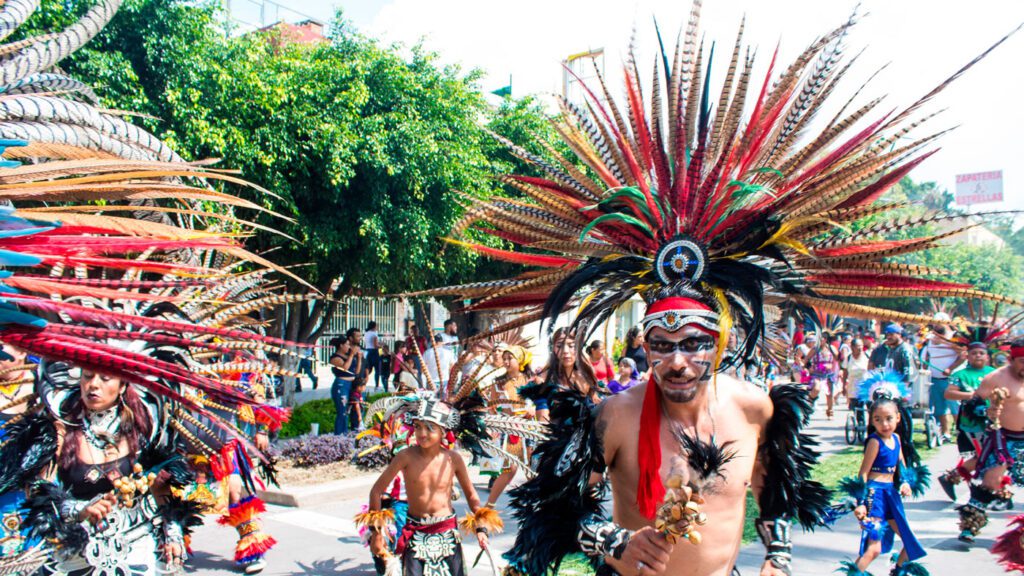
Long before the Spanish arrived, the shores of Lake Chapala were home to Indigenous peoples like the Coca, who established the Chapallan kingdom. This is one of the earliest documented versions of the name we now know as “Chapala.” Chapallan was a sacred region, surrounded by water, hills, and a rich biodiversity that nourished the spiritual and material life of its inhabitants.
The Nahuatl Root
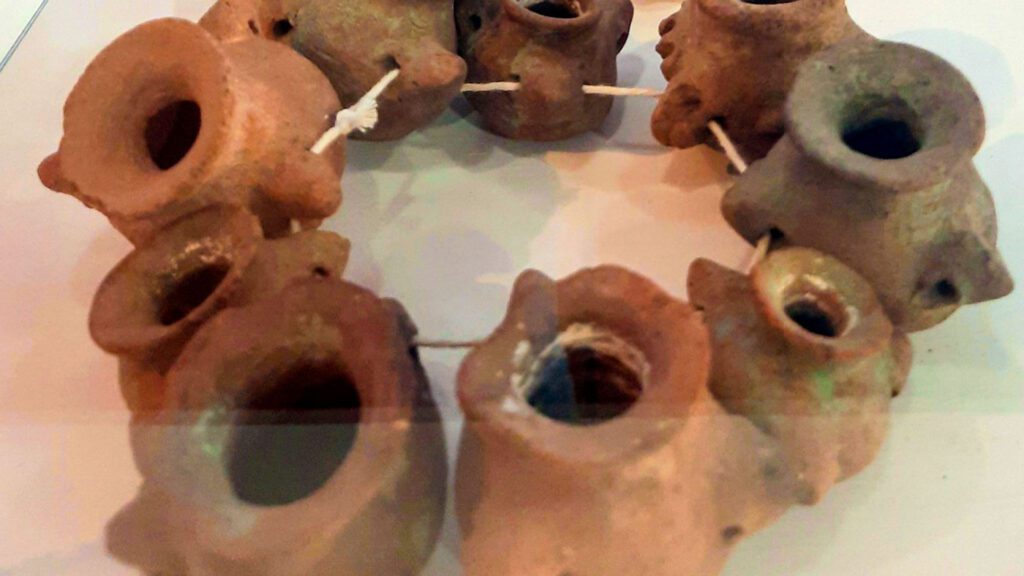
Some etymological studies suggest that “Chapala” comes from the Nahuatl words Chapal-a or Chapatla, which can be translated as “the place where pots abound” or “place of clay.” This interpretation makes sense, as pottery was a common practice among lakeside peoples, who crafted ceremonial vessels that were often offered to the lake in spiritual rituals.
The Myth of King Chapalac
One of the best-known legends in the region tells of an ancestral figure: King Chapalac. This Indigenous leader ruled wisely and was the first to form a spiritual bond with the lake. It is said that the region’s name was adopted in his honor, preserving his legacy in every corner of the town.
Chapalac and the Water Goddess
Another myth links King Chapalac to a female deity: Machis, the goddess of the lake. According to oral tradition, Machis would appear at dawn in the form of a mermaid, and only those with pure hearts could see her. Grateful for the lake’s fertility, the local people worshipped her for generations.

Transformation During the Colonial Era
With the arrival of Franciscan friars in the 16th century, the name Chapala was Christianized, but it never lost its essence. In fact, the first Indigenous chief to be baptized by the missionaries was named Martín of Chapala, suggesting the name was already well established among the original inhabitants.
Throughout the colonial period, Chapala was known as a village of fishermen, farmers, and potters. Despite the imposition of Catholicism, many ancestral traditions survived, including reverence and devotion to the lake itself.
Chapala Today: A Name that Inspires Identity
Today, the name “Chapala” is more than just a geographic label—it represents a cultural identity. It symbolizes tradition, nature, community, and spirituality. For both local residents and the thousands of foreigners who’ve chosen Chapala as their home, the name evokes a strong sense of belonging and peace.
Even in tourism and marketing, the name “Chapala” has become synonymous with natural beauty, perfect climate, and a more peaceful life. It’s a word that sells—but also one that stirs emotions.

Conclusion: A Name with Deep Roots
Behind the name “Chapala” lies far more than just a string of letters or sounds. There is history, legend, identity, and emotion. Whether you’re visiting this region as a tourist, a resident, or simply an intrigued traveler, learning the meaning of the name connects you more deeply with the place.
Just as the lake reflects the sky, the name Chapala reflects centuries of life, faith, and community. So, what about you—did you already know the true origin of this special name?
Frequently Asked Questions (FAQ)
What does the word “Chapala” mean?
It likely comes from the Nahuatl word Chapatla, meaning “place where pots abound,” a reference to ancient pottery traditions.
Who was Chapalac?
According to legend, Chapalac was a chief or Indigenous leader who ruled the ancient kingdom of Chapallan. The region’s name was derived in his honor.
Is the goddess Machis still worshipped in Chapala?
Although she is not formally worshipped today, the legend of the goddess Machis remains alive in local folklore and is part of Chapala’s cultural heritage.


